

How to Clean Your Aircon Filter: Split & Ducted
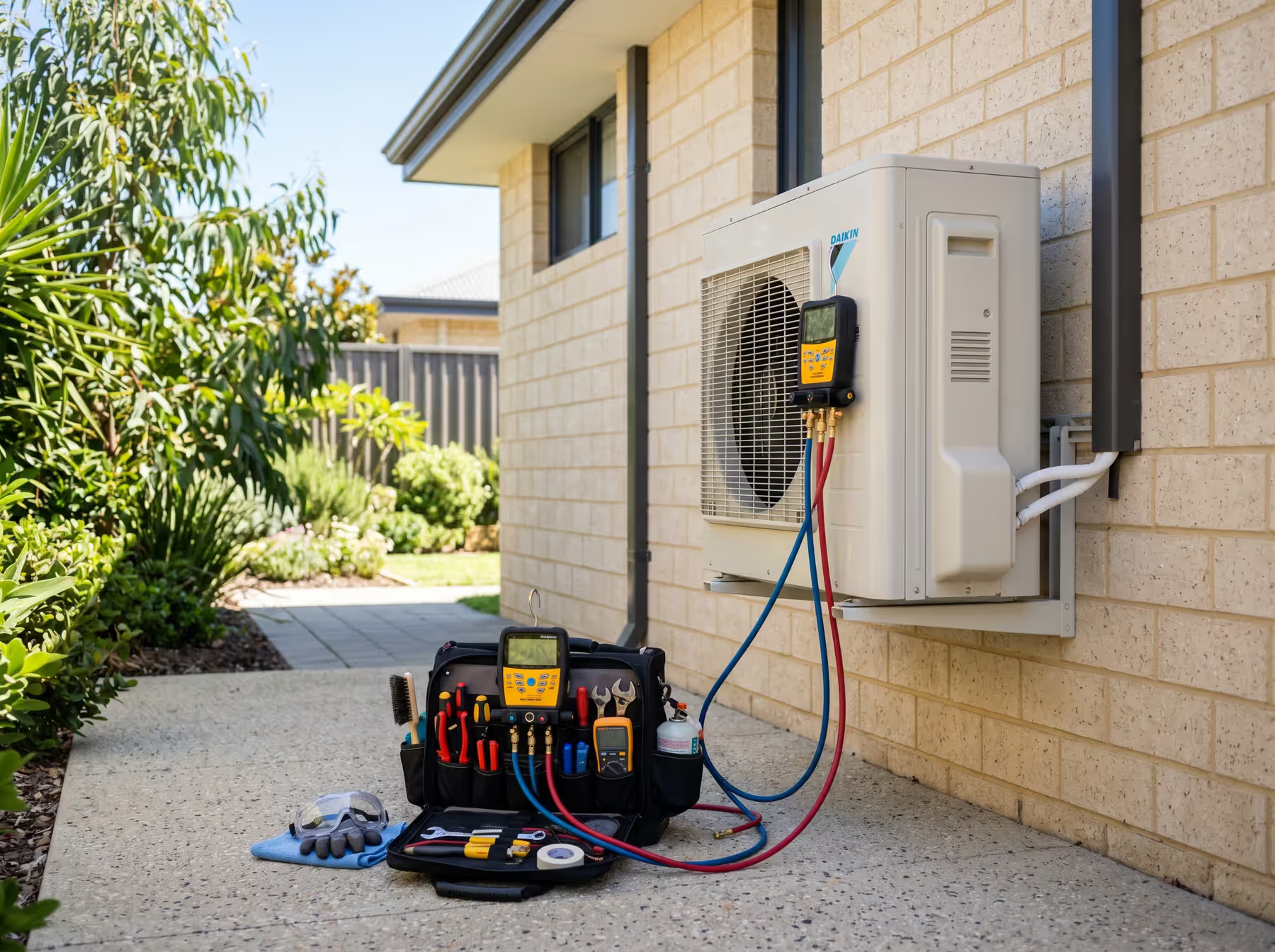
This is a common call we get year round, and it’s almost always the same scenario: a split system the owner is sure is dying. It runs all day, the room never gets properly cold, and the power bill has jumped. We pull the front cover off and find the filters caked grey with Perth dust and pet hair. Ten minutes later it’s blowing cold and quiet again. No repair, no new system, just a blocked filter.
That’s the most common “fault” we see all summer, and learning how to clean air conditioner filters yourself is the easiest thing you can do to keep your system running well. This guide covers how to clean a split system and a ducted return-air filter at home, how often to do it, and the few jobs you should leave to a licensed tech.
Key Takeaways
- A blocked filter is the number one cause of weak cooling we find in Perth homes, and most of the time the fix is free.
- Clean filters every 2 to 4 weeks during heavy summer use, and at least every few months the rest of the year.
- A dirty filter cuts efficiency and pushes your power bill up, because the system works harder to drag air through the gunk.
- Cleaning aircon filters takes about 10 to 15 minutes with a vacuum, lukewarm water, and a soft cloth.
- Turn the unit off at the isolator first, then dry the filters fully before refitting to avoid mould and electrical risk.
- Coil cleans, drain clears, and anything refrigerant-related are not DIY jobs, so book a professional service for those.
Quick note before you start: if your system is still struggling after a proper filter clean, the problem is deeper than the filter. Book an air conditioning service and we’ll check the coils, drain, and refrigerant in one visit.
Why cleaning your air conditioner filter matters
The filter sits in the airflow and catches dust, pollen, pet hair, and the fine grit that’s just part of life in Perth. When it clogs up, the system can’t pull enough air through it, and everything past that filter suffers.
Here’s what a blocked filter actually costs you:
- Higher power bills: the fan and compressor work harder to push air through a choked filter, so the system runs longer and draws more power for the same result. A clean filter is one of the cheapest efficiency wins there is.
- Weak cooling: less airflow means less cold air reaching the room. That “my aircon isn’t cold anymore” feeling is usually airflow, not gas.
- Poor air quality: a filthy filter stops trapping dust and starts blowing it back into the room, which is rough on anyone with asthma, hay fever, or allergies.
- Mould and smell: a damp, dust-loaded filter is a perfect home for mould. That musty smell when the aircon kicks on often starts at the filter.
- Strain on the system: starve a system of airflow for long enough and you risk the coil icing up or the compressor running hot, which turns a free fix into a paid repair.
Perth makes all of this worse. We get long dry summers, fine sandy dust, and systems that run flat-out for months at a stretch. That loads filters up fast, which is exactly why air conditioner filter cleaning matters more here than it would in a milder climate.
How often to clean your air conditioner filter
There’s no single answer. It depends on how hard the system works and what’s in your air. As a Perth rule of thumb:
- Heavy summer use (Dec to Feb): check and clean every 2 to 4 weeks. If the system runs most of the day, lean towards every 2 weeks.
- Moderate use (shoulder seasons): every 1 to 2 months.
- Light or occasional use: at least every few months, and always before the first big heatwave.
A few things push you towards the shorter end of those ranges: pets in the house, someone with allergies or asthma, renovations or nearby building work, or living somewhere especially dusty. If you’re not sure how often to clean your air conditioner filters in your home, pull one out and look. If it’s grey and matted, it was overdue. After a couple of checks you’ll learn your own home’s rhythm.
Most manufacturers print a cleaning interval in the manual, and it’s worth a look. The Australian Government’s heating and cooling guide also recommends cleaning your filters every couple of weeks during use to keep a system running efficiently, and the steps are much the same across brands.
What you’ll need
Cleaning aircon filters needs almost nothing. Before you start, grab:
- A vacuum cleaner with a brush or upholstery attachment
- A bucket or laundry sink with lukewarm water
- A soft cloth or sponge, plus a small soft brush for stubborn dust
- A little mild dish soap if the filters are greasy (kitchen-area units especially)
- An old towel to dry and stand the filters on
- A step ladder if your wall unit is mounted high or you’re reaching a ceiling return-air grille
Skip anything harsh. No bleach, no boiling water, no scrubbing brushes, and no hot water. High heat warps the plastic frame, and harsh chemicals damage the filter mesh or any antibacterial coating.
How to clean a split system filter
This is the wall-mounted indoor unit, and it’s the easiest one to do. Here’s how to clean split system filter panels step by step. A split usually has two of them sitting side by side behind the cover.
1. Turn it off at the isolator
Switch the unit off and isolate it at the power point or isolator switch. Don’t just use the remote or the wall controller. You’ll have hands inside the unit, so kill the power properly first. Safety first, every time.
2. Open the front cover
Most split systems have a hinged front panel. Lift it up gently and it will hold open or click into a raised position. You’ll see the filters sitting just behind it, usually two flat mesh panels side by side.
3. Slide the filters out
Push the filters up slightly to release the tab, then pull them down and out. They lift away easily, no tools needed. Take note of which way they sit so refitting is simple. If your unit has separate deodorising or purifying filters (small pads clipped to the main filter), check the manual, because some of those are replaced rather than washed.
4. Vacuum off the loose dust
Hold each filter over a bin and vacuum the dusty side with the brush attachment. This lifts off the bulk of the dust before it turns to mud in water. For a lightly used unit, a good vacuum might be all it needs.
5. Wash in lukewarm water
Rinse the filters under lukewarm running water, or soak them in a sink of lukewarm water with a touch of mild dish soap if they’re greasy. Wipe gently with a soft cloth or sponge. Don’t scrub hard and don’t use hot water, or you’ll only damage the mesh.
6. Dry them fully
Shake off the excess and stand the filters on a towel to air dry, ideally somewhere shaded. This is the step people rush. Refitting a damp filter traps moisture and breeds mould, which is the exact thing you’re trying to avoid. Let them dry completely.
7. Refit and power back on
Slide the dry filters back in the same way they came out, close the front cover until it clicks, then switch the power back on at the isolator. Run the unit for a few minutes. It should sound smoother and feel stronger almost straight away.
While the cover’s open, give the visible plastic a quick wipe and glance at the indoor coil (the metal fins behind the filters). A light dusting is normal. If those fins are packed solid with grime, that’s a coil clean, and that’s a job for a tech (more on that below).
How to clean a ducted return-air filter
Ducted systems pull room air back through a large return-air grille, usually a big vent in a hallway ceiling or high on a wall. The filter sits right behind that grille. It’s bigger than a split filter, but getting to it is much the same.
1. Turn the system off
Switch the ducted system off at the wall controller, then isolate it at the isolator switch or the switchboard. Same rule as the split: cut the power before you open anything.
2. Open the return-air grille
Most return-air grilles are hinged and held shut by two clips or latches. Release the clips and the grille swings down on its hinge. Support it with one hand so it doesn’t drop. Some older grilles lift out completely, so set it aside safely if so. You’ll likely need a step ladder for a ceiling grille.
3. Work out which filter you’ve got
Here’s where ducted differs from a split. Perth ducted systems run one of three common return-air filters, and each is handled differently:
- Cardboard-framed filter: a throwaway. Don’t try to wash it, it’s made to be replaced. Note the size printed on the cardboard frame and fit a new one.
- Mesh (flywire) filter: the washable type. Vacuum it, then rinse in lukewarm water with a little mild soap if needed and wipe gently, exactly as you’d do a split filter. No hot water, no harsh chemicals.
- Fabric filter: the one to be careful with, because the fabric tears easily. Don’t scrub it. Clean it with a garden hose only: take it outside, lean it up against a wall, and run a low-pressure hose over it, starting at the top and working down to wash the dirt off. Fabric filters often start to fall apart after 5 to 10 years, or sooner if they’ve been handled roughly. They’re cheap and easy to replace, so if yours is coming apart, get in touch and we’ll sort a replacement.
4. Dry it fully and refit
If you washed a mesh or fabric filter, air dry it completely before it goes near the system; refitting it damp is what breeds mould. Once it’s bone dry (or you’ve got your new cardboard filter ready), slide it into the frame, swing the grille up, and click the clips shut. Switch the power back on at the isolator and the controller.
Because the return-air filter handles the air for your whole home, it loads up just as fast as a split filter during a hot Perth summer. Put it on the same 2 to 4 week check during peak season. If you want a rundown of how the whole ducted system fits together, our ducted air conditioning page walks through it.
What you should NOT DIY
Cleaning the filter is genuinely a homeowner job. A few other parts of your system are not, and trying them yourself can cause damage or void your warranty.
- Coil cleaning: the indoor and outdoor coils need proper coil cleaner and careful technique. The fins are thin aluminium and bend if you so much as look at them wrong. Bent fins choke airflow worse than a dirty filter ever did.
- Condensate drain clearing: a blocked drain is the usual reason a split system leaks water inside. Clearing it properly takes the right gear, and poking around the wrong spot can make the leak worse.
- The outdoor unit’s internals: a quick rinse of the outdoor unit’s exterior fins with a gentle hose is fine when it’s off and isolated. Opening it up is not. There are live components and a fan in there.
- Anything refrigerant-related: topping up gas, checking pressures, or chasing a “low on gas” hunch is licensed work. By law in Australia, only an ARC-licensed technician can handle refrigerant. A system low on gas usually has a leak, and adding more without fixing it is money down the drain.
The simple line: if it’s the filter, do it yourself. If it’s coils, drains, gas, or wiring, book a tech.
When to book a professional service
A clean filter keeps a healthy system healthy. It won’t fix a system that’s already struggling for other reasons. Book a service if:
- Cooling is still weak after a proper filter clean
- The system is icing up or dripping water inside
- You hear new rattles, grinding, or screeching noises
- There’s a musty or burning smell that a filter clean didn’t fix
- It’s been more than 12 months since your last full service
- You’re prepping the system for the first heatwave and want it checked over
A full service goes well past the filter. We clean the coils properly, clear and test the condensate drain, check refrigerant pressures, test the electrical side, and make sure the whole system is running to spec before summer hits. Think of the filter clean as your monthly upkeep and the annual service as the proper once-over. You can read what’s included on our air conditioning servicing and repairs page, or if you’re after a wall split tidy-up, our split system service covers it.
Frequently Asked Questions
How often should I clean my air conditioner filter in Perth?
During heavy summer use, clean it every 2 to 4 weeks. The rest of the year, every couple of months is fine, and at least once before the first heatwave. Homes with pets, allergies, or nearby dust should clean more often.
Can I wash my air conditioner filter with water?
Yes. Vacuum off the loose dust first, then rinse in lukewarm water with a little mild dish soap if it’s greasy. Avoid hot water and harsh chemicals, and dry the filter completely before refitting to prevent mould.
Will cleaning the filter lower my power bill?
It helps. A blocked filter forces the system to run harder and longer for the same cooling, which uses more power. A clean filter restores airflow and efficiency, so it’s one of the cheapest ways to keep your running costs down.
What happens if I never clean my air conditioner filter?
Airflow drops, cooling gets weak, power use climbs, and the room air gets dustier. Left long enough, the coil can ice up or the system can overheat, turning a free clean into a paid repair. Mould and odours often follow too.
Is cleaning a ducted return-air filter different from a split filter?
The basics are the same: power off, open the grille, then deal with the filter. The difference is the ducted filter is larger, handles your whole home’s air, and comes in three common types: a throwaway cardboard-framed filter you replace, a mesh filter you wash like a split, and a fabric filter you clean gently with a low-pressure garden hose. Work out which one you’ve got before you rinse it.
Do I need a professional to clean my air conditioner?
Not for the filter, that’s an easy home job. But coil cleaning, drain clearing, and anything involving refrigerant or wiring should be left to a licensed tech. Book a full service once a year, ideally before summer.
Ready for a system that’s running its best?
Cleaning the filter is the easy part, and now you know how. If your aircon is still weak after a clean, or it’s been over a year since a proper service, let us take a look. We’ll clean the coils, clear the drain, check the gas and the electrical side, and have it ready for the next Perth heatwave. WA-owned, fully licensed, free quotes, upfront fixed pricing.
Book your air conditioning service today
Or call us on 0434 951 341 and we’ll sort a time that suits you.
Written by Matt Grossmith, owner of Otter Air & Electrical. Matt is ARC-licensed for refrigerant work and holds a WA electrical contractor’s licence (EC16559 / AU064616). 10+ years installing and servicing residential air conditioning across Perth.
Need a hand with this?
Otter Air is your local, licensed Perth team for air conditioning and electrical. Free quotes, upfront fixed pricing, and honest advice.